
- January 1, 2025
- Pandit Milind Guruji
- 0
Raksha Bandhan 2026: Celebrating the Eternal Bond of Sibling Love and Protection
Raksha Bandhan, also known as Rakhi, is one of India’s most cherished festivals. Celebrated across the country and by the Indian diaspora worldwide, this occasion highlights the beautiful bond between brothers and sisters. The name ‘Raksha Bandhan’ is derived from Sanskrit, where ‘Raksha’ means protection and ‘Bandhan’ means bond, symbolizing a sacred promise of protection made by a brother to his sister.
Typically observed on the full moon day (Purnima) in the month of Shravan (July–August), this festival goes beyond religious boundaries and is celebrated with immense enthusiasm in Hindu, Jain, and Sikh families. The essence of Raksha Bandhan lies in love, duty, care, and familial unity.
Historical and Mythological Significance of Raksha Bandhan
1. Draupadi and Lord Krishna
One of the earliest references comes from the Mahabharata. When Draupadi tore a piece of her saree to stop Krishna’s bleeding finger, he vowed to protect her forever. This symbolic act is often cited as the beginning of the Rakhi tradition.
2. Rani Karnavati and Emperor Humayun
During the medieval era, Rani Karnavati of Mewar sent a Rakhi to Mughal Emperor Humayun seeking protection against Bahadur Shah. Though politically complex, this episode is often mentioned as an example of Rakhi’s power to transcend even religious and political divides.
3. Yama and Yamuna
According to legend, the river Yamuna tied a Rakhi to Yama, the god of death, who granted her immortality. Yama was so touched that he declared anyone whose sister ties a Rakhi to them will receive his protection.
These stories underline the sacredness and emotional depth of Raksha Bandhan.
Raksha Bandhan 2026: Date and Muhurat
In 2026, Raksha Bandhan falls on:
Date: Friday, August 28, 2026
Purnima Tithi Begins: August 27, 2026 – 09:08 AM
Purnima Tithi Ends: August 28, 2026 – 09:48 AM
Rakhi Muhurat: 05:57 AM to 09:48 AM (Subject to change based on location)
It’s essential to tie the Rakhi during the auspicious Rakhi Muhurat and avoid Bhadra timings, as per Hindu Panchang.
Rituals and Celebrations of Raksha Bandhan
Raksha Bandhan is more than just a thread; it is a day of rituals, joy, and emotional expressions.
1. Preparation and Shopping
Days before the festival, markets are adorned with colorful rakhis, gift hampers, traditional attire, and sweets. Sisters often select special Rakhis, while brothers shop for return gifts.
2. Puja Thali Decoration
The Rakhi Thali usually contains:
Rakhi
Kumkum or roli
Rice grains (Akshat)
Diya (lamp)
Sweets
Flowers
3. The Rakhi Ceremony
On the day of Raksha Bandhan:
Sisters apply a tilak on their brother’s forehead
Perform aarti
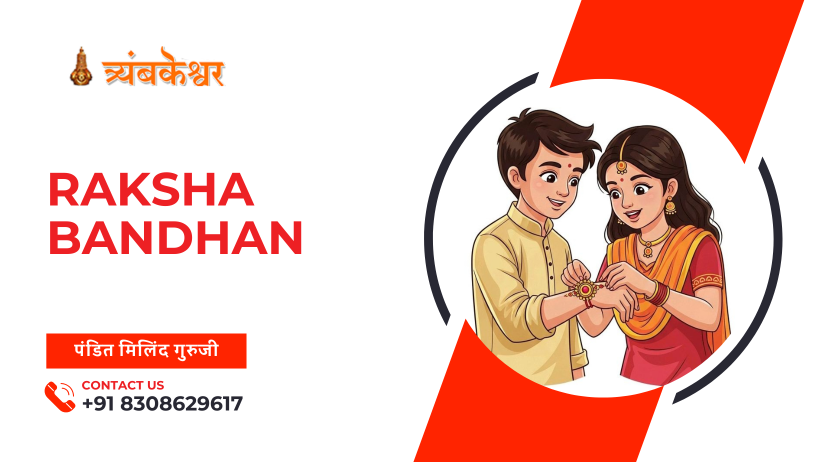
Tie the Rakhi on the wrist
Offer sweets
In return, brothers give gifts and pledge to protect their sisters under all circumstances.
4. Virtual Celebrations
With families often spread across cities or countries, virtual Rakhi celebrations have become common. Sisters send Rakhis by post or order them online. Video calls bridge the distance, maintaining emotional closeness.
Cultural Variations of Raksha Bandhan Across India
Northern India
In states like Punjab, Delhi, Haryana, and Uttar Pradesh, Raksha Bandhan is celebrated with full fervor. It is a public holiday in many regions.
Western India
In Maharashtra, Raksha Bandhan coincides with Narali Purnima, a festival for fishermen who worship the sea for safety.
Eastern India
In Odisha and West Bengal, the day is associated with Lord Balabhadra and Subhadra. Rakhi is also tied to friends and community members.
Southern India
Though not as prominent, Raksha Bandhan is gaining popularity and is celebrated in urban centers with modern interpretations.
Nepal
Raksha Bandhan is celebrated as Janai Purnima, where people renew sacred threads (janai) and sisters tie Rakhis to their brothers.
Modern-Day Significance and Evolving Traditions
In contemporary times, Raksha Bandhan is evolving:
Siblings Beyond Blood: Friends, cousins, and even neighbors celebrate Rakhi.
Sisters Tie Rakhis to Each Other: In some households, girls also tie Rakhis to sisters or sister-in-law as a gesture of emotional bonding.
Gender-Inclusive Celebrations: Women also vow to protect their brothers, promoting equality.
Eco-Friendly Rakhis: Organic, plantable, and handmade Rakhis are trending.
Charity and Social Causes: Many use the occasion to support orphans, army personnel, and social workers.
Popular Raksha Bandhan Gift Ideas
Choosing the perfect Raksha Bandhan gift adds joy to the occasion. Here are trending ideas:
Personalized gifts (photo frames, mugs, t-shirts)
Traditional sweets and dry fruit boxes
Jewelry and accessories
Fashion wear and handbags
Gadgets and tech accessories
Books, perfumes, and grooming kits
Rakhi combo gift hampers
Online platforms now offer curated Rakhi gift sets with same-day delivery options.
Frequently Asked Questions (FAQs)
1. Can Raksha Bandhan be celebrated between non-biological siblings?
Absolutely. Rakhi is a bond of love and protection. Many tie Rakhis to cousins, friends, and even mentors.
2. Is it necessary for sisters to fast on Raksha Bandhan?
No. Unlike other Hindu festivals, fasting is not a required tradition on Raksha Bandhan.
3. What if a brother is far away or abroad?
Sisters can send Rakhis through courier or order online. Virtual celebrations have become a norm.
4. Can Rakhi be tied by sisters to sisters?
While traditionally not practiced, many now embrace this as a modern expression of sisterhood.
5. Is Raksha Bandhan only for Hindus?
Though rooted in Hindu tradition, Raksha Bandhan transcends religious lines and is celebrated by people of various faiths in India.
Celebrating Raksha Bandhan in the Workplace
With rising workplace inclusivity, Raksha Bandhan is celebrated in offices to promote harmony and team bonding. HR teams organize Rakhi tying ceremonies, cultural activities, and potlucks, bringing a sense of togetherness among coworkers.
How to Celebrate Raksha Bandhan at Home
Here are some simple steps to celebrate Raksha Bandhan meaningfully:
Clean and decorate the house.
Dress in traditional attire.
Prepare or purchase sweets.
Decorate the puja thali with rakhi, diya, rice, roli, and sweets.
Tie the rakhi with prayers and exchange blessings.
Spend quality time sharing stories and reliving childhood memories.
End the day with a family meal or celebration.
Final Thoughts
Raksha Bandhan is more than just a ritual—it’s a celebration of emotions, nostalgia, and the promise of unwavering support. In a fast-paced world, such festivals are reminders of our roots, values, and relationships.
Whether you’re tying a Rakhi to a sibling, a friend, or someone who has played a protective role in your life, the message is universal: love, trust, and commitment. As Raksha Bandhan continues to evolve, its core values remain timeless.
Let this Raksha Bandhan be an opportunity to express gratitude, strengthen bonds, and celebrate the joy of having someone to call your own.