
- January 1, 2025
- Pandit Milind Guruji
- 0
Pitru Paksha Benefits – Why Performing Shradh is Important
In Hindu tradition, the cycle of life and death is deeply connected to the concept of gratitude towards our ancestors. This gratitude is expressed most significantly during Pitru Paksha, a sacred fortnight dedicated to honoring the departed souls through a series of rituals known as Shradh and Tarpan.
The importance of Pitru Paksha lies not just in the religious obligation but in the spiritual, emotional, and karmic benefits it offers. By performing Shradh, we acknowledge the role of our ancestors in shaping our existence, seek their blessings, and ensure peace for their souls in the afterlife.
In this comprehensive guide, we will explore the top benefits of performing Shradh during Pitru Paksha, its spiritual relevance, and the positive transformations it can bring to one’s life.
1. Understanding Pitru Paksha and Shradh
Pitru Paksha is a 15-day lunar period in the Hindu calendar that typically falls in the Krishna Paksha (waning moon phase) of the Bhadrapada month (September–October). During this time, it is believed that the souls of our ancestors visit Earth to bless their descendants.
Shradh refers to the ritual offerings of food, water, and prayers made to ancestors. These offerings are made with devotion (Shraddha means faith), symbolizing respect, love, and gratitude.
Performing Shradh is not just a customary act; it is considered a sacred duty that repays Pitru Rin — the debt we owe to our forefathers.
2. Spiritual Benefits of Performing Shradh
A. Ensures Peace for Departed Souls
One of the most significant benefits of Shradh is that it provides peace and liberation (Moksha) to the departed souls. In Hindu belief, a soul can remain unsettled due to unfulfilled desires or lack of proper rites. Shradh helps release such souls from earthly attachments.
B. Strengthens the Ancestral Connection
Performing Shradh strengthens the spiritual bond between the living and the departed. This bond acts as a channel for blessings, protection, and guidance from ancestors.
C. Neutralizes Pitru Dosh
Pitru Dosh is considered a karmic imbalance caused by unfulfilled duties towards ancestors. By performing Shradh during Pitru Paksha, this dosh can be mitigated, reducing its negative impact on family life, finances, and health.
3. Karmic and Astrological Benefits
A. Repayment of Pitru Rin
Hindu philosophy identifies three debts in life — Deva Rin (debt to gods), Rishi Rin (debt to sages), and Pitru Rin (debt to ancestors). Shradh fulfills the third debt, ensuring spiritual progression.
B. Removal of Obstacles
Astrologers believe that unsettled ancestral spirits can create blockages in a person’s life. By honoring them during Pitru Paksha, these obstacles are removed, opening doors to success.
C. Improvement in Horoscope Alignment
Shradh and Tarpan are considered remedies in Vedic astrology for malefic planetary influences, especially those related to the Sun, Moon, and Rahu–Ketu axis.
4. Emotional and Psychological Benefits
A. Healing Family Relationships
Honoring ancestors fosters a sense of unity and respect within the family. It reminds everyone of their shared roots and values, helping to heal rifts and misunderstandings.
B. Instills Gratitude
Shradh teaches the importance of gratitude. It helps individuals appreciate the sacrifices and struggles of past generations, making them more compassionate and grounded.
C. Offers Closure
For families who have lost loved ones recently, Pitru Paksha rituals provide emotional closure, knowing that they have fulfilled their duties towards the departed.
5. Material and Life Benefits of Performing Shradh
A. Blessings for Prosperity
It is believed that when ancestors are pleased, they bless their descendants with wealth, success, and stability in life.
B. Good Health and Longevity
Pitru Paksha rituals are associated with health benefits, as the blessings of ancestors are said to protect against chronic illnesses and accidents.
C. Marriage and Childbirth Solutions
Families facing delays in marriage or childbirth often perform Shradh as a spiritual remedy, as Pitru Dosh is sometimes considered the root cause of such delays.
6. Step-by-Step Ritual Process to Maximize Benefits
To gain the full benefits of Shradh, it is essential to perform it correctly.
Identify the Tithi – Perform Shradh on the lunar day of the ancestor’s death. If unknown, do it on Sarva Pitru Amavasya.
Purify Yourself – Take a ritual bath and wear clean traditional clothes.
Prepare Offerings – Cook rice, dal, seasonal vegetables, and other items without onion and garlic.
Perform Tarpan – Offer water mixed with sesame seeds while chanting mantras.
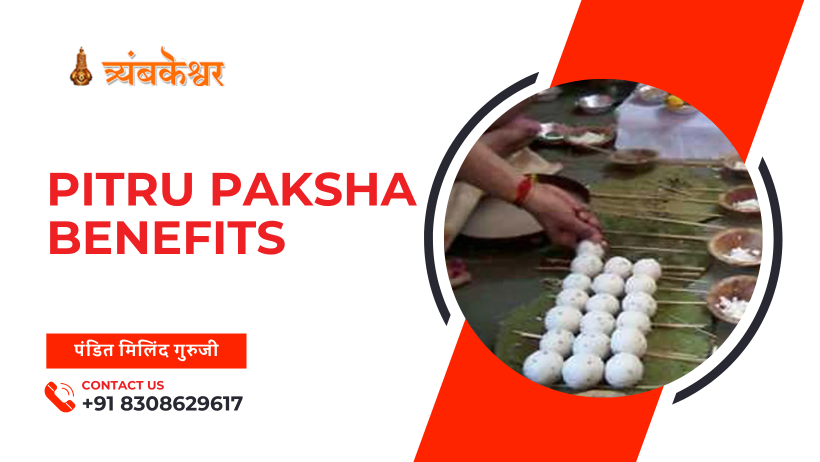
Offer Pinda Daan – Make rice balls with ghee and sesame seeds for the ancestors.
Feed Brahmins and the Needy – This symbolizes feeding the ancestors.
Conclude with Prayer – Seek blessings for health, prosperity, and peace.
7. Rules to Follow for Best Results
Avoid starting new projects during Pitru Paksha.
Maintain a sattvic (pure vegetarian) diet.
Abstain from alcohol, smoking, and non-vegetarian food.
Perform rituals with sincerity and devotion.
Donate generously to the needy.
8. Myths and Misconceptions about Shradh
Only men can perform Shradh – Women can also perform Shradh if necessary.
It is about worshiping ghosts – It is about honoring and helping ancestors in their spiritual journey.
Skipping one year doesn’t matter – Neglecting Shradh is believed to invite ancestral dissatisfaction.
9. Modern-Day Relevance of Pitru Paksha
In today’s urban lifestyle, the meaning of rituals often gets diluted. However, Pitru Paksha still holds strong relevance:
It preserves cultural heritage by passing down traditions.
It provides a spiritual detox from material distractions.
It offers global participation through online Shradh services for those living abroad.
10. Scientific and Symbolic Perspective
From a psychological viewpoint, Pitru Paksha rituals create a structured way to remember and honor ancestors. This strengthens emotional resilience and family bonds. Symbolically, feeding animals like crows and cows reflects harmony with nature and all living beings.
11. Pitru Paksha Benefits – At a Glance
| Benefit Type | Key Advantages |
|---|---|
| Spiritual | Moksha for ancestors, blessings, removal of Pitru Dosh |
| Astrological | Better planetary alignment, fewer obstacles |
| Emotional | Family unity, closure, gratitude |
| Material | Prosperity, health, success in life |
12. Frequently Asked Questions (FAQs)
Q1. What happens if we do not perform Shradh?
It is believed that neglecting Shradh may cause Pitru Dosh, leading to obstacles in personal and family life.
Q2. Can Shradh be done at home?
Yes, Shradh can be done at home under the guidance of a qualified priest. However, sacred places like Gaya, Haridwar, and Trimbakeshwar are considered highly auspicious.
Q3. Is it necessary to feed crows during Pitru Paksha?
Feeding crows is symbolic of offering food to ancestors, as they are believed to be messengers of the spirit world.
Q4. Can a daughter perform Shradh for her parents?
Yes, a daughter can perform Shradh, especially if there are no male heirs or she wishes to honor her parents directly.
Q5. What is the best day to perform Shradh if I don’t know the death date?
Perform Shradh on Sarva Pitru Amavasya, the last day of Pitru Paksha.
Conclusion
Pitru Paksha is not merely a ritual; it is a spiritual duty that bridges generations. By performing Shradh with sincerity, we not only help our ancestors achieve peace but also invite blessings into our own lives. From spiritual liberation to material prosperity, the benefits are manifold.
In a world that is increasingly fast-paced and individualistic, Pitru Paksha reminds us to pause, reflect, and honor the foundation on which our lives are built — the love, sacrifices, and blessings of our forefathers.