
- January 1, 2025
- Pandit Milind Guruji
- 0
Bhai Dooj 2026 – Celebrating the Sacred Bond of Brothers and Sisters
Festivals in India are more than just occasions of celebration; they are reflections of traditions, relationships, and cultural values. Among them, Bhai Dooj stands out as a festival that beautifully honors the sacred bond between brothers and sisters. Celebrated on the second day of the bright fortnight of Kartik month (Shukla Paksha Dwitiya), Bhai Dooj falls right after the five-day Diwali festivities.
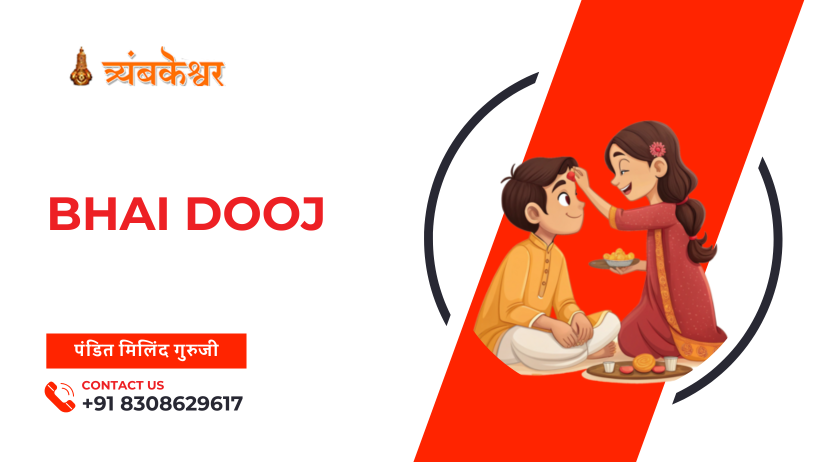
This festival is often compared to Raksha Bandhan; however, Bhai Dooj carries its own unique rituals, significance, and legends. On this day, sisters pray for the long life and prosperity of their brothers by applying a tilak on their forehead, while brothers express their love with gifts and blessings.
In this blog, we will explore the history, rituals, regional traditions, and modern celebrations of Bhai Dooj, while also addressing frequently asked questions to give you a complete understanding of this heartfelt festival.
The Historical and Mythological Significance of Bhai Dooj
The origins of Bhai Dooj can be traced back to ancient legends:
Yamraj and Yamuna: According to mythology, on this day, Lord Yamraj, the god of death, visited his sister Yamuna after a long time. Overjoyed, she welcomed him with sweets, applied a tilak, and performed aarti for his well-being. In return, Yamraj blessed her with prosperity. Since then, it is believed that brothers who visit their sisters on Bhai Dooj are blessed with long life and good fortune.
Krishna and Subhadra: Another story relates to Lord Krishna, who visited his sister Subhadra after slaying the demon Narakasura. Subhadra welcomed him with a tilak and sweets, symbolizing protection and care.
Chitragupta Puja: In some traditions, Bhai Dooj also marks the worship of Chitragupta, the divine record-keeper of human deeds, emphasizing the importance of righteousness and duty.
Why is Bhai Dooj Celebrated?
Bhai Dooj celebrates the essence of sibling love, respect, and protection. It reinforces the emotional connection between brothers and sisters, ensuring that the bond stays strong throughout life.
The festival holds different layers of significance:
It strengthens family ties by bringing siblings together.
It symbolizes protection and blessings for brothers.
It emphasizes the role of sisters as well-wishers and protectors through prayers.
It celebrates the timeless value of love, duty, and gratitude.
Rituals of Bhai Dooj
The rituals of Bhai Dooj vary across regions, but the essence remains the same—celebrating the bond of love between brothers and sisters.
1. Tilak Ceremony
Sisters apply a sacred tilak (vermilion or sandal paste) on their brothers’ foreheads. This is often accompanied by rice grains and flowers, symbolizing blessings for health and longevity.
2. Aarti
Sisters perform aarti with a lit lamp, circling it around their brothers to protect them from negative energies.
3. Exchange of Gifts
Brothers present gifts to their sisters as a gesture of appreciation and love. Sisters also prepare sweets or give handmade tokens of affection.
4. Feasting Together
Special festive meals and sweets are prepared, including laddoos, barfis, kheer, and puris. Families gather to celebrate togetherness.
Regional Celebrations of Bhai Dooj
Bhai Dooj is celebrated with regional variations, reflecting India’s cultural diversity:
North India: Sisters invite brothers for a meal, perform tilak rituals, and exchange gifts.
Maharashtra and Goa: Known as Bhau Beej, sisters draw a square on the floor, seat their brothers inside it, and perform the tilak ritual. They offer a special meal called basundi-puri or shrikhand-puri.
West Bengal: The festival is called Bhai Phonta, celebrated with elaborate rituals and feasts. Sisters fast until the tilak ceremony is completed.
Nepal: In Nepal, the festival is known as Bhai Tika, where sisters apply a colorful tilak (seven-colored tika) to their brothers’ foreheads and pray for their longevity.
The Symbolism of Bhai Dooj
Beyond rituals, Bhai Dooj symbolizes deep spiritual and emotional meanings:
The tilak represents protection from evil forces.
The bond highlights the balance of duty, care, and affection in relationships.
The festival reinforces the value of family unity in Indian culture.
Modern-Day Bhai Dooj Celebrations
While traditions remain strong, Bhai Dooj has adapted to modern lifestyles:
Virtual Celebrations: With families spread across the globe, many siblings celebrate Bhai Dooj through video calls, sending digital greetings, or couriering gifts.
Eco-Friendly Practices: Sisters now use natural ingredients like turmeric, sandalwood, or organic kumkum for tilak.
Customized Gifts: From jewelry and clothes to personalized items, gift trends have evolved to reflect modern preferences.
Corporate World: Offices organize Bhai Dooj-themed events to strengthen camaraderie among colleagues.
Common Mistakes to Avoid on Bhai Dooj
To make the festival meaningful, one must avoid:
Forgetting the essence of the celebration by focusing only on material gifts.
Using synthetic tilak or harmful products.
Neglecting traditional prayers and rituals in favor of shortcuts.
Overindulgence in extravagant displays that overshadow simplicity and love.
Frequently Asked Questions (FAQs) About Bhai Dooj
1. When is Bhai Dooj celebrated?
Bhai Dooj is celebrated on the Dwitiya Tithi (second day) of Shukla Paksha in Kartik month, two days after Diwali.
2. How is Bhai Dooj different from Raksha Bandhan?
While both festivals celebrate sibling love, Raksha Bandhan involves tying a rakhi for protection, whereas Bhai Dooj emphasizes blessings and tilak rituals by sisters.
3. Can sisters without brothers celebrate Bhai Dooj?
Yes. In some traditions, sisters worship the moon or invite cousins and friends to perform the rituals.
4. What food is prepared on Bhai Dooj?
Traditional sweets like laddoos, kheer, barfis, and puri-based meals are commonly prepared.
5. Is Bhai Dooj celebrated outside India?
Yes, Bhai Dooj is celebrated in Nepal as Bhai Tika, and Indian communities abroad also observe it with devotion.
Conclusion
Bhai Dooj is more than just a festival; it is a celebration of the eternal bond between brothers and sisters. Rooted in mythology, enriched by rituals, and cherished through generations, it reminds us of the importance of family love, protection, and unity.
As times change, Bhai Dooj continues to adapt, yet its message remains timeless: love and respect between siblings are treasures that transcend material wealth. Whether celebrated with traditional rituals or modern expressions, Bhai Dooj will always symbolize one of the most beautiful relationships in human life.
So this Bhai Dooj, as sisters pray for their brothers and brothers promise protection, may the festival bring joy, prosperity, and unbreakable bonds to every family.