
- January 1, 2025
- Pandit Milind Guruji
- 0
Pitru Paksha Lal Kitab Remedies for Peace & Moksha
Pitru Paksha is a spiritually significant period in Hinduism, dedicated to honoring and appeasing the departed ancestors. During these 16 days, families perform Shradh, Tarpan, and other rituals to offer gratitude to their forefathers. However, many people also turn to Lal Kitab remedies during Pitru Paksha to address ancestral displeasure, karmic debts, and the negative effects of Pitra Dosh.
Lal Kitab, a unique branch of Vedic astrology, provides simple yet effective remedies that can be performed without complex rituals. These remedies aim to bring peace to the souls of ancestors and grant moksha (liberation) from the cycle of birth and death. In this comprehensive guide, we will explore the meaning of Pitru Paksha, its connection with Lal Kitab remedies, the detailed steps for performing them, and their spiritual significance.
Understanding Pitru Paksha and Its Spiritual Importance
Pitru Paksha is observed in the Krishna Paksha (waning phase of the moon) of the Hindu month of Bhadrapada (August–September). According to Hindu beliefs, during this time, the souls of our ancestors visit Earth to receive offerings from their descendants.
If these offerings are neglected, it may lead to Pitra Dosh, causing obstacles in life such as:
Marriage delays
Financial instability
Health problems
Family disputes
Performing Pitru Paksha rituals and combining them with Lal Kitab remedies can restore balance, remove ancestral curses, and ensure spiritual harmony.
Why Use Lal Kitab Remedies During Pitru Paksha?
Lal Kitab remedies are popular for their simplicity, affordability, and powerful results. While traditional Shradh rituals often require a Brahmin or Pandit, Lal Kitab remedies can be performed by anyone with devotion. They are especially beneficial when:
You cannot perform Shradh due to geographical constraints.
You are unaware of your exact tithi (death anniversary) of ancestors.
You are facing persistent problems attributed to Pitra Dosh.
These remedies are not replacements for traditional rituals but supportive measures to enhance their effects.
Lal Kitab Remedies for Pitru Paksha
Below is a detailed guide to tried-and-tested Lal Kitab remedies for ensuring peace to your ancestors and attaining their blessings.
1. Feeding Cows and Dogs
According to Lal Kitab, feeding animals during Pitru Paksha is one of the most powerful ways to reduce karmic debts.
For cows: Offer chapatis smeared with ghee.
For dogs: Give bread with milk or roti with oil.
Why it works: Cows are considered mothers (Gau Mata), and dogs are believed to guard the afterlife path of souls. Feeding them brings ancestral blessings.
2. Donating White Items on Amavasya
On the Sarva Pitru Amavasya (last day of Pitru Paksha), donate white food items like rice, sugar, milk, or clothes to the poor or Brahmins.
Astrological impact: Strengthens Moon, removes emotional disturbances, and calms ancestral spirits.
3. Offering Water to Banyan Tree
Lal Kitab prescribes pouring water mixed with raw milk at the base of a Peepal or Banyan tree during Pitru Paksha mornings.
Spiritual reason: These trees are believed to be dwelling places for divine and ancestral energies.
4. Feeding Crows Daily
Crows are considered messengers of Yama, the god of death. Feeding them rice mixed with sesame seeds and ghee ensures your offerings reach your ancestors.
5. Donating Mustard Oil and Black Til
Donate mustard oil, black sesame seeds, and iron utensils to needy people or temples.
Astrological remedy: Pacifies Shani (Saturn) and removes Pitra Dosh effects related to karmic debts.
6. Lighting a Lamp for Ancestors
During Pitru Paksha evenings, light a lamp (diya) with ghee in the south direction of your home.
Why south direction? In Vastu and astrology, the south direction is associated with ancestors and Yamraj.
7. Performing ‘Pind Daan’ Virtually or in Holy Places
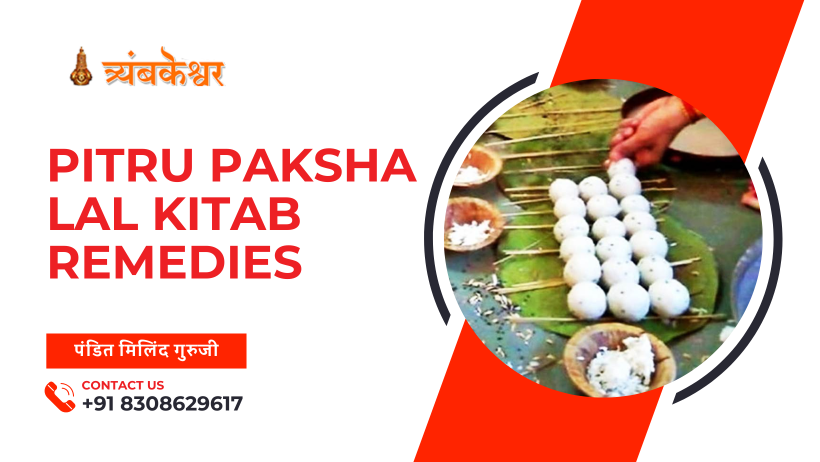
If traveling to places like Gaya, Haridwar, Prayagraj, or Trimbakeshwar is not possible, Lal Kitab allows you to do a symbolic Pind Daan at home using barley flour, black sesame, and jaggery balls.
Step-by-Step Lal Kitab Ritual Process for Pitru Paksha
Here’s a structured way to perform these remedies:
Morning Bath & Sankalp
Take a bath before sunrise.
Stand facing south and take a pledge to honor your ancestors.
Offering Water (Tarpan)
Mix black sesame in water and offer it while chanting your Gotra and ancestors’ names (if known).
Performing Remedies
Feed animals, donate items, light a south-facing lamp.
Prayers
Recite Om Pitrubhyo Namah or Mahamrityunjaya Mantra for blessings.
Common Mistakes to Avoid in Pitru Paksha Remedies
Avoid cutting trees, hair, or nails during Pitru Paksha.
Do not consume non-vegetarian food or alcohol while performing remedies.
Never disrespect elders or Brahmins during this period.
Avoid donating damaged or broken items.
Spiritual Benefits of Lal Kitab Remedies in Pitru Paksha
Performing these remedies with sincerity can bring:
Peace to ancestors’ souls
Relief from Pitra Dosh
Blessings for prosperity, health, and harmony
Improved marriage prospects
Release from chronic obstacles
Frequently Asked Questions (FAQs)
Q1: Can I perform Lal Kitab remedies without doing Shradh?
Yes, Lal Kitab remedies can be done independently, but doing them along with Shradh increases effectiveness.
Q2: What if I don’t know my ancestors’ death dates?
You can perform remedies on Sarva Pitru Amavasya, which is meant for all unknown ancestors.
Q3: Do Lal Kitab remedies require a Pandit?
No, they are designed to be performed by individuals without elaborate rituals.
Q4: Can non-Hindus perform these remedies?
Yes, anyone wishing to honor departed souls can perform them respectfully.
Q5: Are there any specific mantras for Pitru Paksha Lal Kitab remedies?
You can chant Om Pitrubhyo Namah or Om Namo Bhagavate Vasudevaya.
Final Thoughts
Pitru Paksha is not just a ritual obligation—it’s an opportunity to strengthen your spiritual bond with your ancestors. While traditional Shradh rituals are invaluable, Lal Kitab remedies make it possible for everyone to participate in ancestral worship, regardless of location or resources. By following these remedies with faith, you can ensure peace to the departed souls and open the doors to prosperity, harmony, and spiritual liberation in your life.